
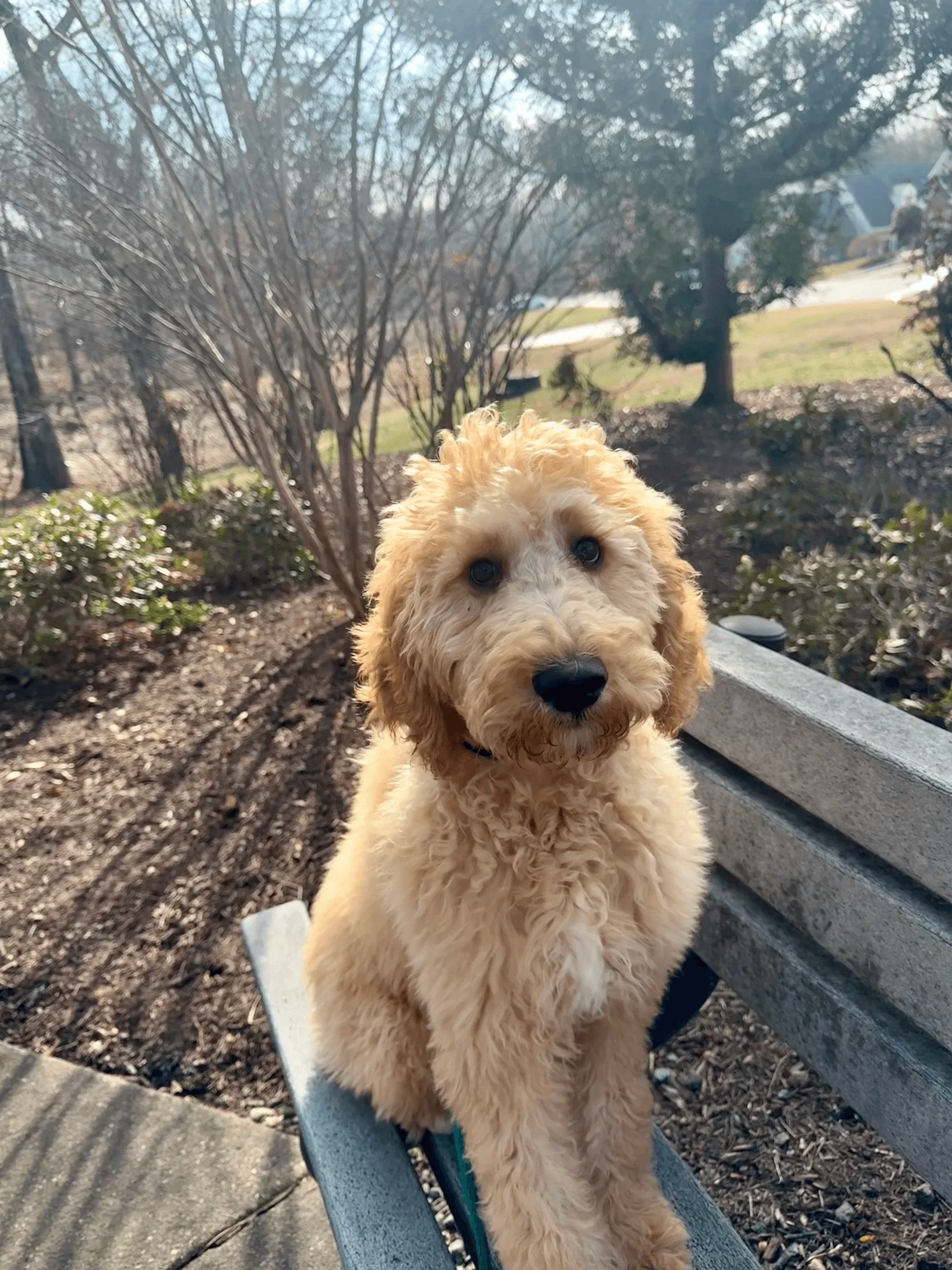
A good puppy schedule includes regular meals, frequent potty breaks, short training sessions, supervised play, socialization, and plenty of rest. Your puppy’s daily routine should gradually change as they grow, develop new skills, and become more independent.
During the early weeks, focus on potty training, crate comfort, name recognition, and positive experiences. As your puppy matures, introduce foundational obedience, leash manners, recall, and impulse control through short, consistent training sessions.
This guide includes a sample daily routine and a puppy training schedule by age to help Fredericksburg, VA, dog owners establish healthy habits and realistic training goals.
Key Takeaways
- A predictable routine helps puppies learn faster and makes potty and crate training easier.
- The sample schedule below is an adaptable example, not a requirement for every puppy.
- Short, frequent training sessions work better than long ones for young puppies.
- Skills build gradually, and puppies develop at different rates.
- Socialization matters early, but talk with your veterinarian about safe exposure before your puppy’s vaccinations are complete.
Puppy Training Schedule by Age at a Glance
Every puppy develops differently, but this general timeline can help you identify appropriate training priorities as your puppy grows.
| Puppy Age | Training Priorities |
|---|---|
| 8 to 10 weeks | Potty training, crate comfort, name recognition, gentle handling, early socialization |
| 10 to 12 weeks | Sit, down, recall games, collar and leash comfort |
| 3 to 5 months | Bite manners, polite greetings, loose-leash walking, place command, continued socialization |
| 5 to 6 months | Recall practice, longer command duration, focus around mild distractions |
| 6 to 12 months | Impulse control, advanced foundational obedience, leash manners, recall around appropriate distractions |
| 12 months and older | Maintaining learned skills, improving consistency, and practicing obedience in different environments |
These age ranges are flexible guidelines rather than fixed deadlines. Adjust your puppy’s training schedule according to their temperament, health, confidence, and individual progress.
Why a Puppy Schedule Matters
A puppy schedule gives your puppy predictable times for meals, potty breaks, naps, play, and short training sessions. That predictability helps a young dog understand what comes next, reduces accidents, supports better sleep, and gives you natural moments to reward good choices throughout the day.
The AKC’s guide to puppy schedules notes that a routine makes life easier for the whole household, not just the puppy. It also points out that puppies need a lot of rest and may sleep up to 18 hours a day.
Each part of the day connects to the others:
- Feeding on a regular schedule makes potty timing more predictable.
- Potty breaks after meals, naps, and play reduce accidents.
- Naps prevent the overtired, bitey behavior many owners mistake for “bad” behavior.
- Play burns energy and builds your bond.
- Training fits into short windows when your puppy is awake and alert.
When these pieces follow a rhythm, your puppy spends more time succeeding and less time guessing.
Sample Daily Puppy Schedule for New Owners
The table below shows one example of a daily puppy schedule for a young puppy. Use it as a starting point. Your puppy’s age, breed, energy level, and your household routine will shape what works best.
| Time of day | Activity | Why it helps |
| Wake up | Potty break right away | Puppies often need to go as soon as they wake |
| Early morning | Breakfast, then potty break | Eating usually triggers the need to go soon after |
| Morning | Short play and a 3 to 5 minute training session | Uses fresh energy and focus |
| Mid-morning | Potty break, then nap in crate or pen | Rest prevents overtiredness |
| After nap | Potty break | Waking up is another common potty trigger |
| Midday | Lunch (if your veterinarian recommends a midday meal), then potty | Keeps feeding and potty times predictable |
| Early afternoon | Calm exploration, chew toy, short handling practice | Builds confidence and settles energy |
| Mid-afternoon | Potty break, then nap | Young puppies need frequent rest |
| Late afternoon | Play, short training session, potty break | A second learning window of the day |
| Evening | Dinner, then potty break | Same feeding and potty rhythm |
| Evening | Quiet family time, gentle play, potty break | Helps your puppy wind down |
| Bedtime | Final potty break, then crate or sleeping area | Sets up a calmer night |
| Overnight | Potty breaks as needed | Many young puppies cannot sleep through the night yet |
This schedule is an example, not a strict requirement. Some puppies need more frequent potty breaks, more naps, or a different feeding plan. Your veterinarian can advise on how many meals your puppy needs and how much to feed. Purina notes that younger puppies generally need more frequent meals, and that a consistent feeding schedule also supports potty training.
Owners who have recently brought home a new puppy can also follow our puppy’s first month at home guide for practical tips on establishing household routines and introducing essential skills.
Adjusting the Schedule for Work Days
If you work outside the home, arrange regular visits from a family member, neighbor, or pet sitter based on your puppy’s age and needs. Young puppies may require several potty breaks, meals, play periods, and opportunities for interaction throughout the workday. Keeping weekend routines similar to weekday routines can also help your puppy adjust to a predictable schedule.
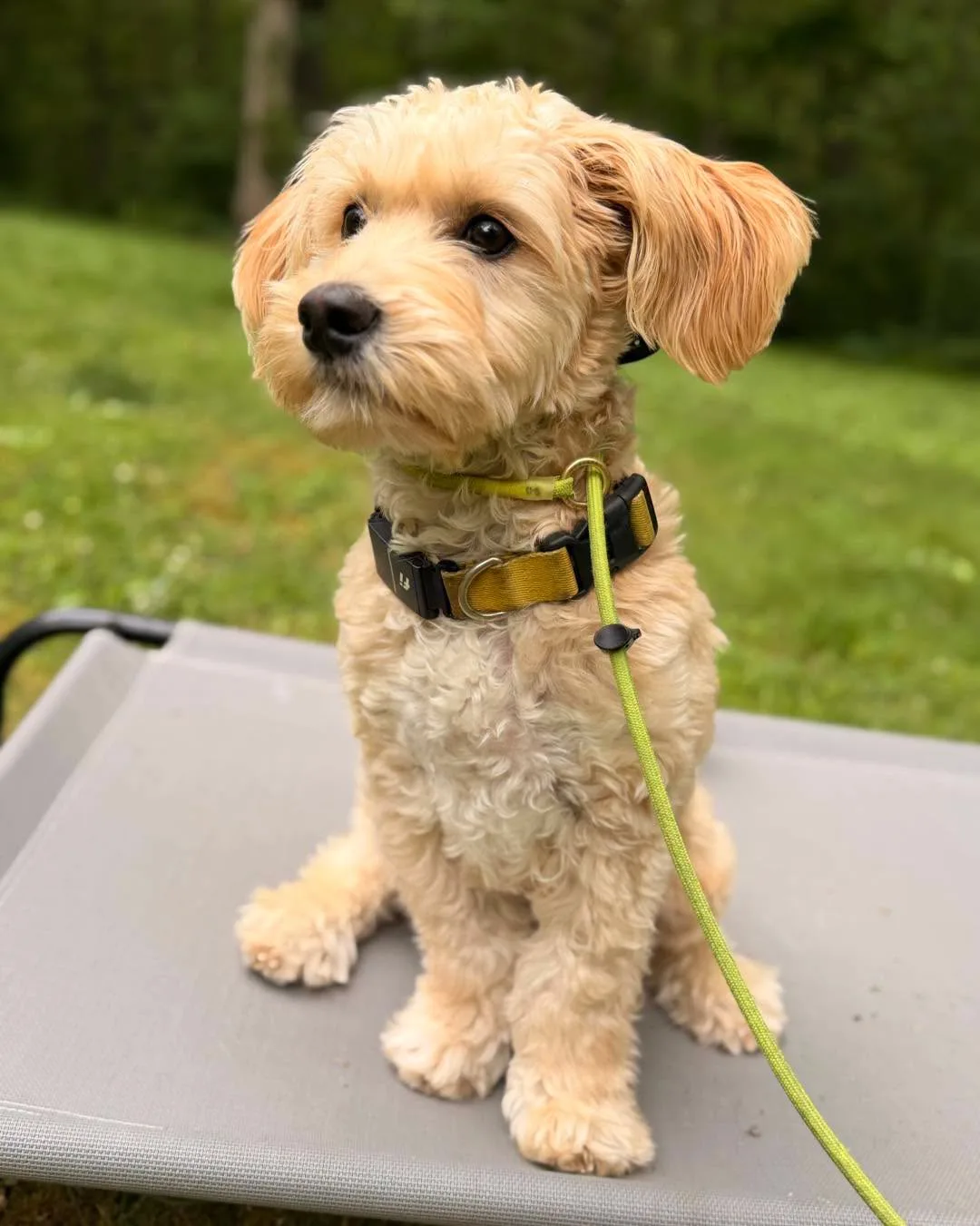
8 to 10 Weeks: Building Trust, Routine, and Confidence
At 8 to 10 weeks, focus on helping your puppy feel safe in a new home. Prioritize predictable routines, early potty and crate habits, name recognition, gentle handling, and positive socialization experiences. Simple commands such as sit and come can also be introduced through short, reward-based training sessions without expecting advanced obedience at this age.
Begin age-appropriate socialization as soon as your puppy comes home. Introduce everyday household sounds, different surfaces, gentle handling, and calm people through positive experiences. Consult your veterinarian about safe socialization opportunities before your puppy’s vaccinations are complete.
What to focus on at this stage:
- Name recognition. Say your puppy’s name in a happy tone and reward when they look at you.
- Potty routine. Take your puppy out after waking, eating, drinking, and playing. The AKC’s potty training timeline recommends taking puppies outside right after they wake from a nap.
- Crate comfort. Make the crate a calm, pleasant space with a chew toy or meal. For more detail, see our guide to getting started with crate training.
- Gentle handling. Touch paws, ears, and mouth briefly, then reward.
- A marker word. Teach a word like “yes” that means a reward is coming.
Expect accidents and interrupted nights. That is normal. Every puppy adjusts at its own pace, and potty training progress varies widely from one puppy to the next.
10 to 12 Weeks: Introducing Basic Puppy Commands
Between 10 and 12 weeks, many puppies are ready to start learning basic puppy commands in short, fun sessions. Good starting skills include sit, down, simple recall games, and getting comfortable wearing a collar and leash. Keep sessions to a few minutes and end while your puppy is still engaged.
Skills to introduce:
- Sit. Lure your puppy into a sit with a treat, then mark and reward.
- Down. Lure the nose toward the floor and reward when the elbows touch down.
- Recall games. Call your puppy’s name and “come” from a short distance indoors, then celebrate with a reward.
- Collar and leash comfort. Let your puppy wear a collar during supervised time, then attach a light leash indoors for short periods.
A few short sessions spread across the day usually work better than one long one. If your puppy loses focus, that is a signal to stop, play, and try again later.
3 to 5 Months: Strengthening Manners and Socialization
Between 3 and 5 months, focus on strengthening foundational skills, developing everyday manners, and continuing positive socialization. Gradually introduce new environments, people, sounds, and appropriate distractions while practicing recall, loose-leash walking, calm greetings, and the place command. Adjust each experience to your puppy’s confidence, vaccination status, and individual development.
The American Veterinary Society of Animal Behavior describes the first three months of life as the most important time for puppy socialization. Its guidance also recommends avoiding dog parks and other high-traffic areas used by dogs of unknown vaccination status.
Because vaccination schedules and local disease risks vary, talk with your veterinarian about which experiences are safe for your puppy right now. Safe socialization ideas often include:
- Meeting calm adults and children through brief, positive interactions with close adult supervision.
- Hearing everyday sounds like the vacuum, doorbell, or traffic from a distance.
- Walking on different surfaces such as grass, tile, and gravel in your own yard.
- Car rides to low-risk places.
- Meeting vaccinated, friendly adult dogs your veterinarian considers safe.
Our puppy socialization checklist offers more ideas you can work through gradually.
Manners to practice at this stage:
- Bite manners. Redirect mouthing to appropriate chew toys and calmly pause play when teeth touch skin. Learn more about how to get a puppy to stop biting using consistent training techniques.
- Polite greetings. Reward four paws on the floor when people say hello.
- Early leash manners. Reward your puppy for walking near you on a loose leash for a few steps at a time.
- Introduction to place. Reward your puppy for stepping onto a bed or mat, then gradually ask for a few seconds of calm.
Socialization works best when your puppy can watch and explore at their own pace. If your puppy seems frightened, add distance and keep the experience short and positive.
5 to 6 Months: Building Focus Around Distractions
By 5 to 6 months, many puppies can start practicing familiar skills in new places and around mild distractions. The focus shifts from simply knowing a cue to responding when something more interesting is happening. Build duration in down and place, and practice recall in safe, controlled areas.
What to work on:
- Practice in new locations. Practice sit and down in your backyard or another secure area. Introduce quiet public locations when your veterinarian confirms they are appropriate, and keep your puppy safely leashed.
- Duration. Ask for a few more seconds of down or place before rewarding.
- Recall with mild distractions. Use a long line in a safe, fenced area and reward generously.
- Loose-leash walking. Stop when the leash tightens and move forward when it loosens.
This is also a time of change. Teething, growing independence, and new curiosity are common.
A puppy that seemed to “know” a skill at home may struggle outside. This does not necessarily mean the puppy has forgotten it. New environments make familiar skills harder.
After 6 Months: Improving Reliability and Self-Control
After 6 months, training gradually shifts toward improving responsiveness and self-control. During adolescence, developmental changes and growing curiosity can make it harder for dogs to focus around distractions. Continue practicing familiar commands in manageable environments, maintaining consistent routines, and rewarding appropriate behavior.
Focus areas for adolescent dogs:
- Practicing in many places. Use sit, down, place, and recall in a wider range of settings.
- Loose-leash walking. Build on earlier leash manners around more distractions.
- Impulse control. Practice waiting at doors, before meals, and before being released to play.
- Recall reliability. Practice recall using a properly fitted harness and long line in safe, controlled areas. Only consider off-leash practice where legally permitted and appropriate for your dog’s training level, surroundings, and safety.
Some skills may seem to slip during adolescence. With patience and consistent practice, most dogs move through this phase. Owners who want structured support at this stage can explore structured obedience lessons that cover commands like place, down, and recall.
Puppy Training Tips for Every Age
The best puppy training tips apply at every stage: keep sessions short, stay consistent, reward the behavior you want to see, and adjust to your individual puppy. Training progress varies, and a puppy that learns one skill quickly may need more time on another.
- Keep sessions short. A few minutes at a time is plenty for young puppies.
- Be consistent. Use the same cue words and rules across the household.
- Reward what you like. Mark and reward good choices as they happen.
- Manage the environment. Use gates, crates, and supervision to prevent mistakes.
- Watch body language. Yawning, turning away, or sniffing the ground can signal your puppy needs a break.
- Adjust for your puppy. Breed, energy level, confidence, and health all affect what your puppy can handle.
- Avoid overwhelming your puppy. End sessions on a success, and never push a frightened puppy into a situation.
Potty Training and Crate Training at Every Stage
Puppy potty training and puppy crate training work best as part of the daily routine rather than as separate projects. Take your puppy to the same outdoor spot after waking, eating, drinking, and playing, and reward calmly right after they go. When you cannot supervise, a crate or puppy-safe pen helps prevent accidents and gives your puppy a quiet place to rest.
A few habits make both easier:
- Supervise closely indoors. Watch for sniffing, circling, or wandering off, and head outside right away.
- Clean accidents thoroughly. An enzyme cleaner helps remove odors that can draw a puppy back to the same spot.
- Avoid scolding accidents. Punishment can make a puppy hesitant to go in front of you, even outside.
- Keep the crate positive. Feed meals or offer a safe chew in the crate, and never use it as punishment.
- Build crate time gradually. Start with short periods while you are home, then lengthen them as your puppy settles.
Potty and crate progress varies from puppy to puppy. Some puppies catch on quickly, while others need more time and patience. If accidents suddenly increase, check with your veterinarian to rule out a health issue.
Remember that puppies develop at different rates. Comparing your puppy to another dog or a fixed checklist can create unnecessary pressure for both of you.

When to Get Professional Puppy Training Help
Many puppy challenges are normal and improve with time and consistency. Still, professional guidance can help you build good habits early and avoid frustration. Consider reaching out if:
- Mouthing or biting is intense or not improving with redirection.
- Your puppy seems fearful of people, dogs, or new places.
- Potty or crate training has stalled despite consistent effort.
- Skills seem to regress, and you are not sure how to respond.
- You want a clear, structured plan for puppy obedience training.
A professional can look at your puppy’s routine, temperament, and environment and help you adjust your approach. If you are exploring puppy training in Fredericksburg, ask about which training formats suit your puppy’s age and needs. For sudden behavior changes or health concerns, start with your veterinarian.
Final Thoughts
A puppy training schedule by age gives you a helpful framework, but every puppy follows its own path. Start with a predictable daily routine, focus on age-appropriate goals, and build skills gradually through short, positive sessions.
Progress depends on your puppy’s temperament, health, environment, and how consistently the household practices. Small daily steps, repeated over weeks and months, are what build a confident, well-mannered adult dog.
If you are raising a puppy in Fredericksburg, VA, remember that support is available whenever you need it.
Contact Us
Building a consistent puppy schedule takes patience, practice, and an understanding of your puppy’s individual needs. Professional guidance can help you establish foundational obedience, improve everyday manners, and develop age-appropriate training routines.
Explore our puppy training programs in Fredericksburg, VA, or contact our training team at (540) 390-1945 to request a free consultation.
Frequently Asked Questions
What is a good daily schedule for an 8-week-old puppy?
A good 8-week-old puppy schedule includes frequent potty breaks, regular meals, plenty of naps, short play periods, and brief training moments. Take your puppy out after waking, eating, and playing. Treat any sample schedule as a starting point and adjust it to your puppy’s needs and your veterinarian’s feeding advice.
How long should puppy training sessions be?
Young puppies usually do best with sessions lasting just a few minutes, repeated several times a day. Short sessions keep learning fun and prevent frustration. End each session while your puppy is still interested and successful.
When can my puppy start socializing with other dogs?
Early socialization is important, but the right timing depends on your puppy’s vaccination status and local health risks. Many veterinarians support carefully chosen experiences before vaccinations are complete, such as meeting healthy, vaccinated adult dogs. Ask your veterinarian which situations are safe, and avoid high-traffic dog areas until they say otherwise.
Is it too late to start training a 4-month-old puppy?
No, it is not too late. Puppies and adult dogs can keep learning throughout their lives. Start with simple skills, keep sessions short and positive, and build gradually from there.
How often should a puppy go outside to potty?
Young puppies typically need to go out after waking, after eating or drinking, after play, and before bedtime, plus regular breaks in between. How often depends on your puppy’s age, size, and individual development. Watch for signs like sniffing or circling, and talk with your veterinarian if accidents seem unusually frequent.
What should a puppy know by 6 months?
By 6 months, many puppies have started learning sit, down, recall, loose-leash walking, and basic household manners. Progress varies, so focus on consistent practice rather than expecting perfect obedience by a specific age.
How many times a day should I train my puppy?
Practice several short training sessions throughout the day, adjusting the frequency to your puppy’s energy and attention span. You can also reinforce commands during meals, play, potty breaks, and other everyday activities.
Should I follow the same puppy schedule every day?
A predictable routine helps puppies understand when to expect meals, rest, play, and potty breaks. However, your schedule should remain flexible enough to accommodate your puppy’s changing needs, development, and health.