
Introduction
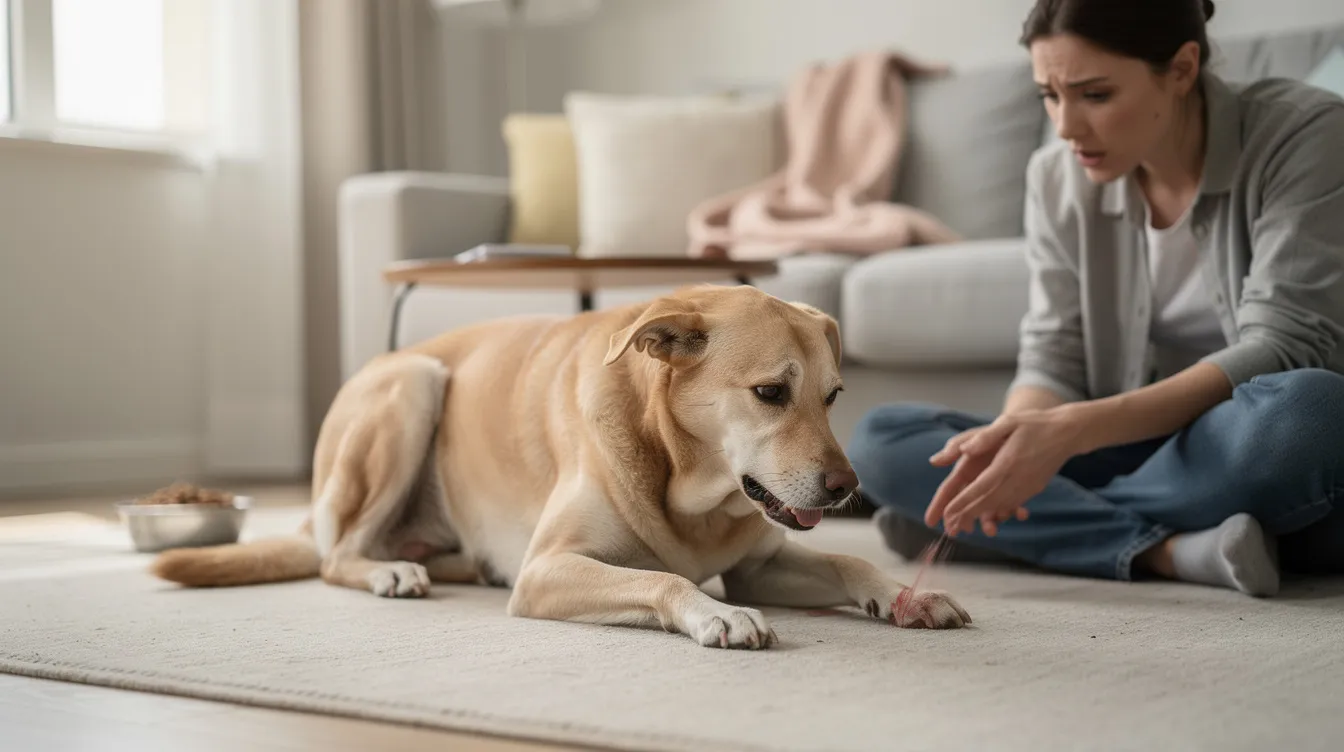
Dogs instinctively hide pain. Their wild ancestors survived by concealing weakness from predators and rivals, and domesticated dogs retain that same wiring. Because dogs cannot describe what hurts, recognizing signs of pain in dogs falls entirely on you as the owner. The earliest signs are physical: limping, unusual posture, stiffness. Behavioral changes follow: withdrawal, appetite loss, irritability. Most dogs show these subtle changes well before they vocalize.
This article covers the physical signs, behavioral changes, and pain assessment methods that help pet owners identify when a dog is in pain. It is written for dog owners in Fredericksburg, Virginia, and surrounding areas like Spotsylvania and Stafford Counties who want to protect their pet’s health, whether their dog is in active training or simply part of the family. Recognizing pain matters because untreated discomfort worsens over time, affects training outcomes, and erodes a dog’s quality of life.
Dogs show pain through subtle changes in movement, behavior, posture, and daily habits rather than through obvious crying or yelping. Arthritis affects 80% of dogs over 8 years old, and many of those cases go undiagnosed because owners attribute the signs to normal aging.
By the end of this article, you will be able to:
- Spot the earliest signs of pain before a condition becomes chronic or severe
- Distinguish between acute and chronic pain and understand why the difference matters for treatment
- Know exactly when to contact a veterinarian and what documentation to bring
- Support your dog’s comfort at home through environmental adjustments and observation habits
- Tell the difference between pain-driven behavior and training-related behavior problems
Understanding Pain in Dogs
Dogs evolved to mask pain as a survival mechanism inherited from their wild ancestors. An injured wolf that limps or bleeds risks attack from predators or displacement by rivals competing for food and territory. Domestication removed most external threats, but the internal wiring persists. Your dog may continue eating, wagging its tail, and greeting you at the door while experiencing pain, because those behaviors maintain social bonds and avoid signaling vulnerability.
The gap between how humans and dogs express discomfort creates a recognition problem. Human beings report pain verbally; they say where it hurts, rate it on a scale, and describe its character. Dogs rely entirely on nonverbal cues: posture shifts, gait changes, facial expressions like orbital tightening and flattened ears, and disruptions to routine. A dog may also continue physical activities despite discomfort because stopping would, in ancestral terms, cost survival.
Acute vs. Chronic Pain
Acute pain has a sudden onset. It results from injuries, surgery, trauma, infection, or an accident. It typically lasts hours to several days and serves a protective function: the pain signals the dog to avoid further damage. A fracture from jumping off furniture, a post-surgical incision, or a bee sting all produce acute pain. Recovery is usually expected with appropriate treatment, and the pain resolves as tissue heals.
Chronic Pain Patterns
Chronic pain persists beyond the normal tissue healing period. Veterinary guidelines generally classify pain lasting more than three months as chronic. Conditions like arthritis, dental disease, degenerative joint disease, and some cancers produce this type of ongoing discomfort. Dogs can experience acute or chronic pain, and distinguishing between the two determines the treatment approach.
Chronic pain patterns develop gradually. The signs accumulate over weeks or months: a dog that once bounded up the stairs now hesitates, then avoids them altogether. Over time, neurological changes called central sensitization can amplify pain signals, making the dog’s condition worse even without new tissue damage. At least 80% of dogs over 8 years old suffer from arthritis, and owners frequently misattribute these gradual changes to “just getting old” rather than treating the underlying cause.
Because acute pain typically produces more obvious signs and chronic pain creeps in through subtle changes, the next sections break down exactly what to look for in both the body and behavior.
Recognizing Physical Signs of Pain
Physical signs of pain in dogs are the most observable indicators, and they often appear before behavioral changes become obvious. Knowing what to watch for in your dog’s body, movement, and breathing gives you a head start on identifying discomfort.
Movement and Mobility Changes
Limping is a common sign of pain in dogs, and it ranges from a subtle head bob favoring one limb to a complete refusal to bear weight. Physical signs of pain in dogs can include limping and stiffness, particularly after rest. Dogs with joint or bone disorders often show morning stiffness that improves with gentle movement but returns after periods of inactivity. Senior dogs with hip dysplasia or osteoarthritis may struggle to rise from a lying position, refuse to climb stairs, or stop jumping into vehicles they previously entered without hesitation. A dog that once chased a ball for thirty minutes and now quits after five is providing important clues about its comfort level.
Posture and Body Language Indicators
An unusual posture is one of the most common signs that a dog is in pain. Dogs with abdominal pain sometimes adopt a “prayer position,” stretching their front limbs forward with their rear end elevated. A hunched or arched back, low head carriage, and a tucked tail all indicate discomfort. Flattened ears or ears folded back against the head accompany many pain states.
Trembling or shaking when the dog is not cold points to pain or distress. You may also notice your dog shifting weight away from a specific area or guarding part of its body when you reach toward it. Dogs may avoid being touched when in pain, flinching or pulling away from contact that they previously welcomed. Excessive licking of a specific spot may signal pain or discomfort in that area, as the dog attempts to soothe the affected tissue.
Respiratory and Physical Responses
Panting at rest, when the dog has not exercised and the temperature is comfortable, often indicates pain. Shallow breathing or reluctance to take deep breaths can accompany chest or rib injuries. Elevated respiratory rate without an apparent cause warrants attention.
Changes in vital signs like increased heart rate, elevated blood pressure, and pupil dilation are most reliable indicators during acute pain episodes. In chronic pain, these measurements often return to near-baseline levels because the body compensates over time, making chronic discomfort harder to detect through vitals alone. Muscle tension, felt as hard or tight areas under the skin, provides another physical clue.
Key physical signs to monitor: limping, stiffness (especially after rest), difficulty rising or lying down, inability to climb stairs or jump, unusual posture or guarding, trembling, panting at rest, and muscle tension in a specific area. Neuropathic pain from nerve damage can add additional signs like sensitivity to light touch or sudden flinching without obvious cause.
These physical indicators become more meaningful when paired with behavioral changes, which often develop alongside or shortly after physical symptoms.
Identifying Behavioral Signs and Pain Assessment
Physical signs tell you something is wrong with your dog’s body. Behavioral changes tell you how pain is affecting your dog’s daily life. Together, they form a more complete picture of your dog’s condition.
Daily Behavior Pattern Changes
Monitoring and comparing changes in a dog’s daily habits can help assess pain. A dog experiencing pain may drop hard kibble from its mouth, eat more slowly, or refuse food altogether. Dental issues can cause pain that makes chewing difficult, leading to drooling, pawing at the mouth, and reluctance to eat hard food. Changes in sleeping habits can indicate pain in dogs: restlessness or an inability to get comfortable, frequent repositioning during the night, or sleeping far more than usual.
Social withdrawal is a reliable indicator. A dog that normally follows you from room to room but now chooses isolated spots, avoids family areas, or stops seeking affection is showing signs your dog may be suffering. Dogs may vocalize when in pain with sounds like whining and groaning, but many dogs remain silent despite discomfort.
Behavioral changes like increased aggression or withdrawal may signify pain. A previously gentle dog that growls or snaps when touched near a sore area is not being “bad.” That response is protective. This distinction matters for dog owners working with trainers; sudden aggression in a previously well-trained dog often has a medical root rather than a training gap. Loss of interest in play, walks, or training sessions also points to discomfort, particularly if moving causes the dog’s pain to increase.
Signs of pain can change from a dog’s normal behavior, indicating distress. The key is knowing your individual dog’s baseline; what counts as a change depends on what is normal for that specific animal.
Pain Severity Assessment Guide
| Pain Level | Physical Signs | Behavioral Signs | Urgency of Care |
|---|---|---|---|
| Mild | Occasional stiffness, subtle limp, slight posture change | Mild reluctance to use stairs, small decrease in activity | Schedule vet visit within a few days |
| Moderate | Persistent limping, difficulty rising, visible lameness | Loss of appetite, withdrawal from family, increased irritability | Same-day or next-day vet consultation |
| Severe | Non-weight-bearing on a limb, inability to move, extreme stiffness | Constant vocalization, aggression when touched, collapse, refusal to eat or drink | Emergency veterinary care immediately |
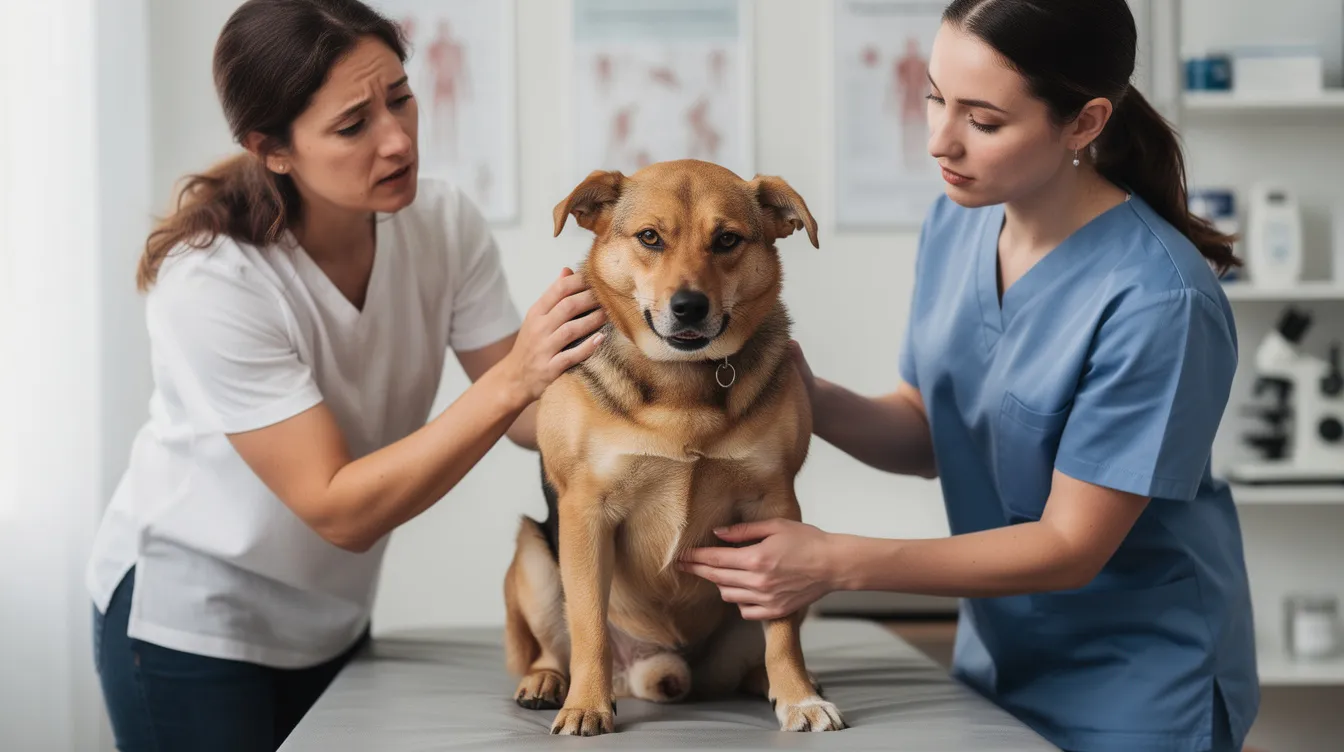
Multiple signs appearing across both physical and behavioral categories warrant a faster response than a single mild sign. For example, a dog showing both a subtle limp and reduced appetite has crossed from “watch and wait” into “call the vet.” Consulting a veterinarian is recommended if you suspect your dog is in pain, even if the signs seem mild. Seek immediate veterinary care for severe pain or sudden health changes in dogs.
Standardized pain scoring tools exist. The Glasgow Composite Measure Pain Scale is used in many clinics after surgery. For chronic pain, veterinarians may use the Canine Brief Pain Inventory (CBPI) or the LOAD (Liverpool Osteoarthritis in Dogs) questionnaire, both of which rely partly on owner-reported observations.
Common Challenges and Solutions
Pain-related behavior in dogs is frequently misinterpreted as a training problem. Recognizing the overlap between pain and behavior helps pet owners and trainers avoid costly mistakes.
Mistaking Pain for Behavioral Problems
A dog that suddenly refuses commands, becomes reactive on leash, or snaps during grooming may be responding to pain rather than defying training. Dogs often hide pain until physical contact forces a reaction. The solution: always rule out medical causes before assuming a training issue. A physical exam, X-ray imaging, or lab tests can identify or eliminate pain as the underlying cause. Veterinarians may need to perform diagnostic tests to identify pain. This step is especially important with sudden behavior changes in dogs enrolled in board-and-train programs or active training schedules, where pain could be misread as resistance.
Dogs Hiding Pain During Vet Visits
Dogs frequently mask discomfort in a clinical setting. The unfamiliar environment triggers stress hormones that can temporarily reduce pain sensitivity, making a limping dog at home appear normal at the vet’s office.
The fix is documentation. Document your dog’s behavior changes before the vet visit. Taking videos of your dog can help your vet diagnose pain; capture footage of the limp, the hesitation at stairs, or the reluctance to rise. Keep a diary of your dog’s symptoms to share with the vet, including time of day, duration, and specific triggers. Ask your vet specific questions about pain management options so you leave with a clear plan rather than general advice.
Confusion Between Aging and Pain Symptoms
Senior dogs slow down, but slowing down is not automatically normal. At least 80% of dogs over 8 years old suffer from arthritis, which means the majority of aging dogs are dealing with treatable joint pain. Different types of discomfort, from joint inflammation to dental disease to neuropathic pain, affect senior dogs at higher rates.
Joint or bone disorders can cause pain in senior dogs that responds well to treatment. NSAIDs like carprofen are common pain medications for dogs with osteoarthritis. Galliprant is a medication specifically for osteoarthritis pain that works differently from traditional NSAIDs by targeting a specific inflammation pathway. Opioids like tramadol are used for severe dog pain when other medications are insufficient. Pain trials for dogs typically last 4 to 6 weeks, during which the vet evaluates whether the medication improves mobility and the dog’s quality of life. Other treatments include weight management, physical therapy, environmental modifications like ramps and orthopedic beds, and emerging options like monoclonal antibody therapies that target nerve growth factor.
The 2022 AAHA Pain Management Guidelines emphasize classifying pain as acute or chronic and integrating owner-reported outcome measures as part of chronic pain assessment. If your senior dog is showing signs of stiffness or reduced activity, a vet visit to suspect pain and pursue diagnostics is the appropriate next step rather than accepting the changes as inevitable.
Conclusion and Next Steps
Early recognition of pain in dogs protects your dog’s well-being and preserves the bond between you. A dog whose pain goes unmanaged loses mobility, withdraws socially, and may develop behavioral changes that complicate training. Identifying signs early, whether physical symptoms like limping and unusual posture or behavioral shifts like appetite loss and irritability, gives your vet the best chance to reduce pain, reduce inflammation, and maintain your dog’s quality of life.
Steps to take now:
- Start a daily observation log tracking your dog’s movement, appetite, sleep patterns, and social behavior
- If your dog is showing signs of discomfort, schedule a vet consultation and bring your notes and video documentation
- Never give human pain medications to dogs as they can be toxic; always consult your veterinarian about appropriate pain medications
- For senior dogs, request arthritis screening at the next wellness visit rather than waiting for obvious symptoms
Proper pain management supports training success. A dog whose joints ache during a recall exercise will stop responding to that command. A dog with dental pain may refuse treat-based training. Addressing the dog’s pain first makes every training session more productive and strengthens the human-dog relationship. If you are unsure whether your dog’s behavior is driven by pain or a training issue, working with both a veterinarian and a qualified trainer produces the clearest answer.
Additional Resources
- Off Leash K9 Training, Fredericksburg offers free phone consultations to help distinguish between pain-related and training-related behavior issues. If your dog’s behavior has changed suddenly, a conversation with a trainer experienced in recognizing pain-driven responses can help you decide on next steps. Learn more about training options in Spotsylvania and surrounding areas.
- Local veterinary emergency contacts: For severe pain, collapse, or sudden health changes in your dog, Fredericksburg-area pet owners should have the number of their nearest 24-hour veterinary emergency hospital saved in their phone.
- What to bring to your vet appointment: Video clips of your dog’s movement at home, your symptom diary, a list of questions about pain management, and notes on any changes in the dog’s behavior over the past weeks. This preparation helps your vet move from a physical exam to an accurate diagnosis faster.
