
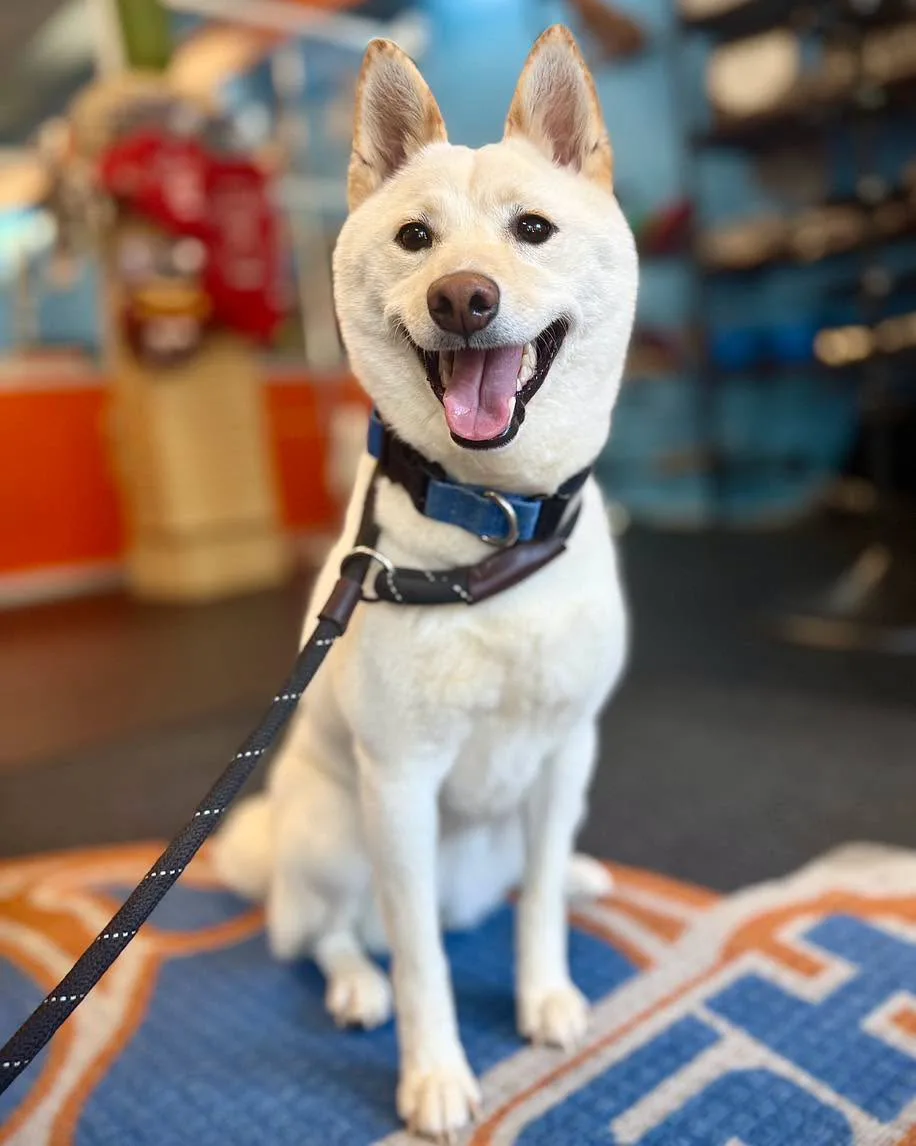
Training a dog can take anywhere from a few practice sessions to several months, depending on the skills being taught, the dog’s training history, and the consistency of practice. Basic commands may be introduced within the first few sessions, while reliable obedience, loose-leash walking, and recall around distractions often require weeks or months of continued training.
Learning a command is different from responding reliably in everyday situations. More complex behavioral concerns, such as fear, aggression, and reactivity, may require longer-term professional support and ongoing management.
This guide explains how long it takes to train a dog, what affects training timelines, and what Fredericksburg, VA, dog owners can realistically expect from different training programs.
Key Takeaways
- There is no single timeline for training a dog. Every dog learns at its own pace.
- Learning a command is different from performing it reliably around distractions.
- Age, temperament, history, environment, and consistency all affect progress.
- Behavior modification for fear, reactivity, or aggression is often ongoing and cannot be promised by a set date.
- The length of a training program is not the same as the time needed to maintain skills. Owner practice keeps training working.
How Long Does It Take to Train a Dog?
How long it takes to train a dog depends on what “trained” means to you. Many dogs can begin learning basic dog commands within the first few sessions. Building reliable responses around distractions, solid leash manners, or dependable recall usually takes ongoing practice over weeks to months, and maintaining those skills is a lifelong process.
It helps to think about training in stages:
- Introduction. Your dog begins to understand what a cue means in a quiet setting.
- Repetition. Your dog responds more quickly and consistently at home.
- Generalization. Your dog learns the cue applies in new places and with new people.
- Proofing. Your dog responds around distractions such as other dogs, squirrels, or visitors.
- Maintenance. You keep practicing so the skill stays strong.
A dog that has completed the first two stages may “know” a command, but it is not yet reliable. Most of the time in a dog training timeline goes into the later stages.
Training Goals at a Glance
The table below shows general patterns, not guarantees. Every dog progresses differently.
| Training goal | What early progress may look like | What reliable progress may look like | Factors that affect the timeline |
| Basic commands (sit, down, place) | Responds at home with rewards and few distractions | Responds more consistently to familiar commands in different environments and around manageable distractions. | Practice frequency, motivation, distraction level |
| Stay and duration | Holds position for a few seconds | Holds position longer, at a distance, with distractions | Impulse control, age, gradual building |
| Potty training | Fewer accidents with a predictable schedule | Consistently goes outside with rare accidents | Age, bladder control, supervision, consistency |
| Loose-leash walking | Brief loose-leash moments on quiet routes | Calm walking on busier routes and new places | Energy level, history of pulling, equipment, environment |
| Recall | Comes when called indoors or in a fenced yard | Comes when called around distractions in safe areas | Distraction level, history, long-line practice |
| Behavior modification (fear, reactivity, aggression) | Recovers faster, shows calmer moments at a distance | Improved responses with ongoing management | Severity, triggers, health, professional guidance, safety needs |
What Factors Affect Dog Training Timelines?
Dog training duration depends on the individual dog and its environment. Age, temperament, past experiences, breed tendencies, health, the home environment, and especially consistency all shape how quickly a dog learns and how reliable its skills become.
- Age. Puppies have short attention spans and developing bodies. Older dogs may need to unlearn established habits.
- Temperament. Confidence, motivation, sensitivity, and emotional responses can influence how a dog learns. Dogs that experience anxiety or become easily distracted may benefit from shorter sessions, manageable environments, and a more gradual training approach.
- History. Dogs that have practiced a behavior for years, such as pulling on the leash, often need more time to change it.
- Environment. A busy household or neighborhood offers more distractions, which affects how quickly skills become reliable.
- Health. Pain or illness can affect focus and behavior. Talk with your veterinarian if progress stalls without explanation.
- Consistency. Using the same cues, rules, and rewards across the household is one of the biggest factors you control.
The AKC notes that it is never too late to train a dog, although it may take longer to change habits that are already established.
How Long Does Basic Obedience Training Take?
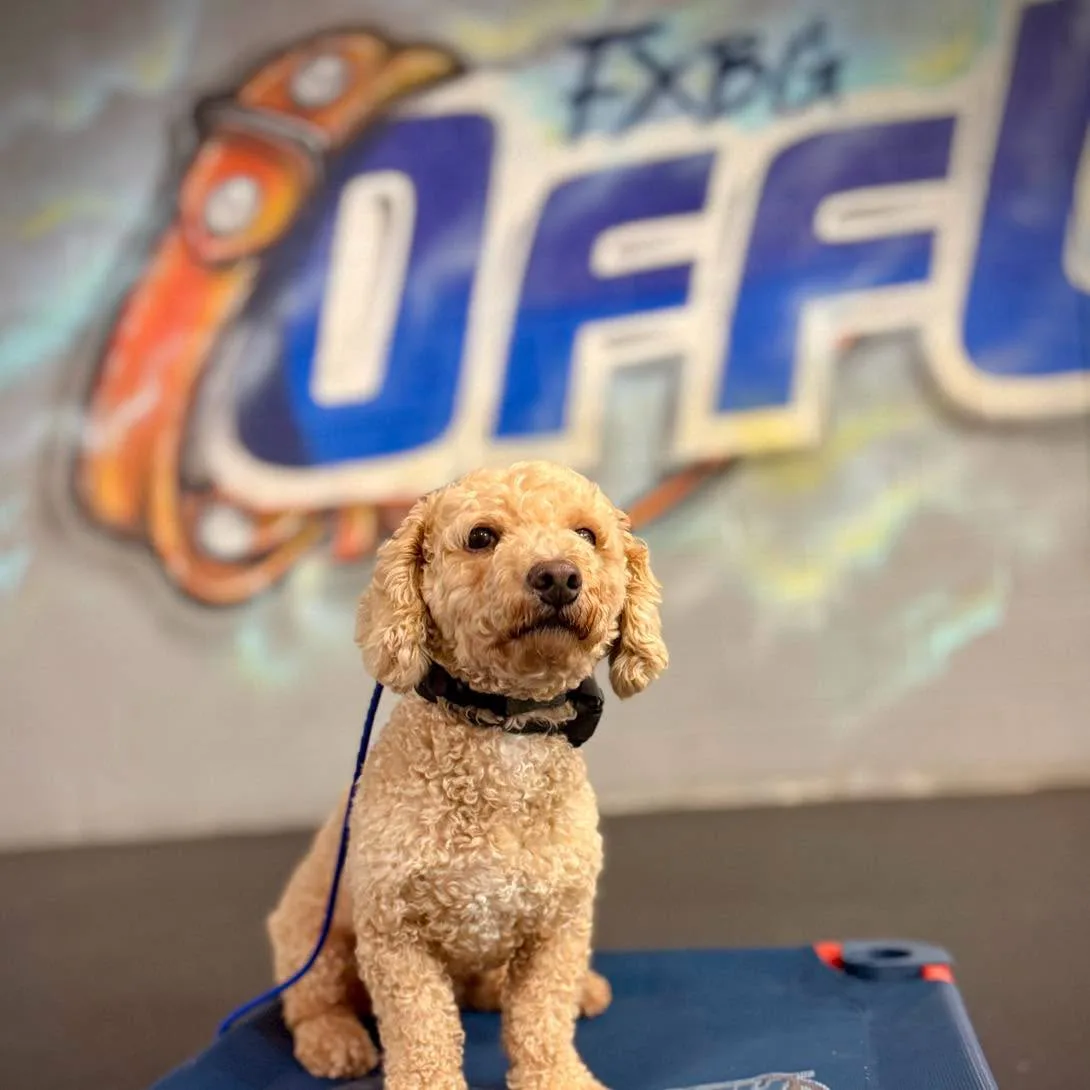
Basic obedience training can begin showing progress within the first few sessions, as many dogs start to understand simple cues like sit and down. Turning those cues into reliable responses around distractions takes longer and depends on how often you practice and how gradually distractions are added.
Some skills naturally take more time than others. In a Rover article on training timelines, a trainer estimates that short stays may take a few weeks to build, while reliable distance obedience may take several months. These are general estimates from one professional, not rules, and your dog’s pace may be faster or slower.
The core basic dog commands many owners focus on include:
- Sit and down. Often among the first skills dogs pick up.
- Stay or duration. Builds gradually from seconds to longer holds.
- Place. Teaches a dog to go to a designated surface, such as a bed, cot, or mat, and remain there until released. Relaxed settling can be encouraged through additional practice and reinforcement.
- Recall. Starts indoors and expands outdoors as reliability grows.
- Loose-leash walking. Often takes consistent practice because pulling is a well-rehearsed habit for many dogs.
How long obedience training takes also depends on what you consider “done.” A dog that sits in the kitchen for a treat is a great start. A dog that sits at the curb while a jogger passes reflects more practice.
How Long Does Puppy Training Take?
Puppy training is an ongoing process that continues through the first year and beyond. Puppies can start learning simple skills soon after coming home, but potty training, manners, and reliable obedience develop gradually as puppies mature. Progress varies widely from puppy to puppy.
Potty training is a good example. AKC Chief Veterinarian Dr. Jerry Klein has said that if training begins early, a 6-month-old puppy is usually able to be depended on most of the time to eliminate outside. WebMD notes that full house training can take several months to a year, and some dogs take longer. Every puppy is different, so treat these as broad patterns rather than deadlines.
Puppy manners also take time:
- Mouthing and biting may decrease as puppies mature and learn appropriate play habits. Consistent redirection and reward-based techniques can help owners teach a puppy to stop biting.
- Jumping improves when calm greetings are rewarded consistently.
- Leash manners develop gradually as puppies grow and practice.
- Adolescence can bring temporary setbacks, even in puppies that were doing well.
Puppy training is an ongoing process rather than a single program. Following an age-appropriate puppy training schedule can help owners establish consistent routines and introduce new skills gradually. Owners looking for additional support can explore our puppy training programs in Fredericksburg to discuss suitable training options.
How Long Does It Take to Train an Adult or Rescue Dog?
Adult and rescue dogs can absolutely learn new skills, but the timeline depends on their history and how well they have settled in. Many rescue dogs need time to adjust to a new home before training progresses smoothly, and dogs with established habits may need more practice to change them.
Many shelters use the “3-3-3” guideline to describe a rescue dog’s adjustment period. The San Francisco SPCA explains that the first three days are for adjusting, the next three weeks are for building a routine and foundational skills, and the first three months are about deepening trust and confidence. This is a loose guideline, and many dogs take longer.
Practical tips for adult and rescue dogs:
- Give your dog time to decompress before expecting much from training.
- Start with simple, rewarding skills to build trust and confidence.
- Expect some old habits to take longer to change.
- Watch for signs of stress or fear, and adjust the pace if your dog seems overwhelmed.
Adult rescue dogs may have more developed bladder control than young puppies, but house training progress depends on their previous experiences, health, stress levels, and household routines. Some adult dogs adjust quickly, while others require gradual training and consistent support. C
How Long Does It Take to Build Reliable Off-Leash Skills?
Off-leash reliability is one of the most advanced training goals, and it typically takes the longest to develop. A dog needs a strong recall, solid focus, and plenty of practice around real-world distractions. Even well-trained dogs are not 100 percent reliable, so safety and judgment always matter.
Building toward off-leash skills usually involves:
- Practicing recall indoors and in fenced areas first.
- Practicing recall with a long line attached to a properly fitted harness in safe, controlled areas away from traffic and other hazards.
- Gradually adding distractions like other dogs, people, and wildlife.
- Rewarding generously so coming back is always worth it.
- Continuing to practice even after skills seem solid.
- Gradually introducing everyday distractions from a safe distance while preventing chasing, unwanted greetings, and unsafe interactions.
No training method or program can make any dog perfectly reliable in every situation. Always follow local leash laws and only allow off-leash time where it is legal and safe.
How Long Does Behavior Modification Take?
Dog behavior modification for fear, reactivity, or aggression does not follow a fixed timeline. Progress depends on the severity of the behavior, the triggers involved, the dog’s health and history, and how consistently a plan is followed. Many dogs improve, but some need ongoing management throughout their lives.
VCA Animal Hospitals notes that with aggression, improvement is possible, but there will always be a bite risk, and some trigger situations may need to be avoided or managed permanently. That is an important reminder that success often means safer, more manageable behavior rather than a complete “fix.”
Signs of progress in behavior work may include:
- Recovering more quickly after seeing a trigger.
- Noticing triggers at a closer distance without reacting.
- Showing more relaxed body language in situations that used to be difficult.
- Responding to cues more often when a trigger is present.
Owners whose dogs display fear, aggression, or reactivity can explore our aggressive dog training options to discuss program suitability. Complete resolution of major behavioral concerns cannot be guaranteed. Dogs with sudden behavioral changes, severe anxiety, or a history of biting should receive veterinary assessment and may require support from a qualified behavior professional or veterinary behaviorist.
Behavioral concerns such as food aggression in dogs may require individualized training, safe household management, and ongoing professional guidance. Progress should be measured by improved behavior and reduced risk rather than a fixed completion date.
Private Lessons vs. Board and Train: How Training Formats Differ
Private dog training lessons and Board and Train programs both have a defined length, but neither represents the full timeline for lasting results. Private lessons teach you and your dog together over a series of sessions. Board and Train means a trainer works with your dog for a set period, followed by owner instruction. Either way, continued practice at home is what helps skills last.
Private lessons may suit owners who:
- Want to learn hands-on alongside their dog.
- Prefer to build skills gradually between sessions.
- Have time to practice regularly at home.
Board and Train may suit owners who:
- Want focused, daily training work during a set period.
- Have a busy schedule and want a trainer to lay the groundwork.
- Are ready to commit to practicing after the program ends.
On the current plans and pricing page, obedience lesson packages are organized by number of lessons, and Board and Train programs are organized by number of weeks. It is important to understand that a program’s length describes the training period itself. It does not mean your dog will be fully trained at the end. Skills still need to be practiced, generalized to new places, and maintained over time, with the owner playing a central role.
How Long Do Professional Dog Training Programs Take in Fredericksburg, VA?
Professional dog training programs have defined lesson counts or training periods. However, completing a program does not mean your dog has finished learning or will respond reliably in every environment.
At Off Leash K9 Training Fredericksburg, available training programs include the following options:
| Training Program | Program Duration | Training Focus |
|---|---|---|
| Basic Obedience | 4 private lessons | Foundational commands and leash manners |
| Basic & Advanced Obedience | 8 private lessons | Foundational and advanced obedience |
| Basic & Advanced (Aggression/Anxiety) | 8 lessons | Obedience and behavior-focused training around other dogs |
| Basic Marker Mastery™ | 4 one-hour sessions over 4 weeks | Reward-based foundational training |
| Virtual Training Lesson | 1 hour | Individual training guidance through Zoom |
| In-Home: Basic Obedience | 4 private lessons | Foundational obedience in your home |
| In-Home: Basic & Advanced Obedience | 8 private lessons | Basic and advanced obedience in your home |
| Community K9 Board & Train | 2 weeks | Obedience around everyday distractions, including off-leash heeling and recall |
| Urban K9 Board & Train | 2 weeks | On-leash heeling, off-leash recall, and obedience around busier distractions |
| ExpeditePro™ Board & Train | 2 weeks | Community or Urban K9 training with expedited scheduling, subject to availability |
| 3 Week Behavioral Board & Train | 3 weeks, plus two one-hour private sessions | On-leash training for eligible dogs with significant reactivity or anxiety |
| Online Puppy Training Course | Self-paced | Puppy foundations and household routines |
| Therapy Dog Preparation | 8 lessons | Preparation for therapy dog evaluation and testing |
These time frames describe the structure of each training program rather than a guaranteed deadline for behavioral improvement. Private lesson scheduling, program eligibility, and individual progress vary.
Explore our current training programs to compare available options and determine which format may suit your dog’s needs.
How to Make Consistent Progress With Your Dog
Consistent progress comes from short, regular practice sessions, clear communication, and realistic expectations. Owners who practice a little every day, use the same cues across the household, and gradually add distractions usually see steadier improvement than those who train in occasional long sessions.
- Practice in short sessions. A few focused minutes several times a day often works better than one long session.
- Be consistent. Everyone in the home should use the same cues and rules.
- Add distractions gradually. Move from quiet rooms to the backyard to busier places.
- Reward what you want. Mark and reward good choices as they happen.
- Track progress. Notice small wins, such as faster responses or calmer walks.
- Adjust when needed. If your dog struggles, make the exercise easier and build back up.
Signs it may be time to adjust expectations: progress stalls for several weeks, your dog seems stressed or shuts down, or skills fall apart in new places. These are signals to slow down, simplify, or seek guidance, not signs of failure.
When Professional Dog Training May Help
Many owners make good progress on their own, but professional guidance can help you avoid common mistakes and build skills more efficiently. Consider reaching out if:
- You have practiced consistently and are not seeing progress.
- Your dog shows fear, reactivity, or aggression.
- Leash pulling or recall problems are affecting safety.
- You want help choosing between private lessons and Board and Train.
- You are working with an adult or rescue dog and are unsure where to start.
A professional can assess your dog’s needs, identify what may be slowing progress, and help you build a realistic plan.
Final Thoughts
So, how long does it take to train a dog? The most honest answer is that training happens in stages, and every dog moves through those stages at its own pace. Learning a command can happen fairly quickly. Making it reliable around real-world distractions takes ongoing practice.
Progress depends on your dog’s age, temperament, history, health, environment, and the consistency of practice at home. Training is not a one-time event. It is an ongoing part of life with your dog.
If you are a dog owner in Fredericksburg, VA, looking for a clear starting point, guidance is available.
Contact Us
If you have questions about obedience, puppy training, or behavior concerns, a conversation with a professional can help you set realistic goals for your dog. Dog owners around Fredericksburg are welcome to reach out to our team to talk through their dog’s needs and explore training options.
Frequently Asked Questions
How long does it take a dog to learn basic commands?
Many dogs begin to understand simple cues like sit and down within the first few practice sessions. Making those commands reliable in new places and around distractions takes longer and depends on regular practice. Every dog learns at a different pace.
Is it harder to train an older dog?
Older dogs can learn new skills, but changing long-established habits may take more time. Health factors, such as joint pain, can also affect what an older dog is comfortable doing. Patience, short sessions, and consistent rewards help dogs of any age learn.
Will my dog be fully trained after a Board and Train program?
A Board and Train program builds a foundation during a set period, but no program can guarantee a fully trained dog. Skills need to be practiced, reinforced, and maintained by the owner after the program ends. Ongoing practice in different environments helps the training last.
How long does it take to train a reactive dog?
There is no fixed timeline for reactive dog training. Progress depends on the severity of the reactivity, the triggers involved, and how consistently a plan is followed. Many dogs improve with professional guidance, but some need ongoing management.
How often should I train my dog?
Short, frequent sessions are usually more effective than occasional long ones. A few minutes of practice several times a day can make a meaningful difference. Building training into everyday moments, like asking for a sit before meals, also helps skills stick.
Can a dog be trained in two weeks?
Two weeks of structured training can help a dog develop foundational obedience skills and practice new behaviors. However, reliable performance in different environments requires continued reinforcement and owner involvement after the program ends.
How long does it take to potty train a puppy?
Potty training may take several months, depending on your puppy’s age, bladder control, health, and daily routine. Frequent potty breaks, appropriate supervision, and rewarding outdoor elimination can help build consistent habits.
How long does it take to leash train a dog?
Some dogs begin showing improvement within the first few practice sessions, while consistent loose-leash walking may require weeks or months. Progress depends on previous habits, distractions, training techniques, and regular practice.
How long do private dog training lessons take in Fredericksburg?
Basic Obedience includes four private lessons, while Basic & Advanced Obedience includes eight. The overall training timeline depends on appointment scheduling, your dog’s progress, and consistent practice between lessons.