
Caring for Senior Dogs: A Guide to Enhancing Your Furry Friends Golden Years
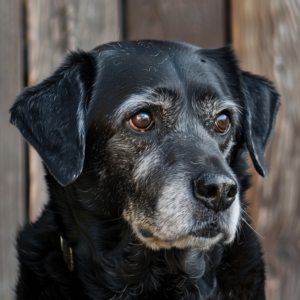
Introduction to Senior Dog Care
Understanding the Needs of Senior Dogs
As our canine companions enter their senior years, they face a myriad of physical and cognitive changes that can impact their daily lives. Conditions such as arthritis, which causes joint pain and reduces mobility, cognitive dysfunction that affects their memory and behavior, and sensory impairments including loss of vision and hearing, become increasingly common. These age-related changes necessitate modifications in their care to maintain their quality of life. It’s important for owners to notice any changes in their senior dog’s behavior, mobility, or comfort, and address them promptly with appropriate adjustments or by seeking veterinary advice. To accommodate these changes, it’s essential to provide senior dogs with a living environment that caters to their comfort and safety. This includes ensuring they have a warm and comfortable resting area free from drafts, which is particularly important as they may spend more time resting and may be more sensitive to cold temperatures. Additionally, with decreased mobility, making essential resources like food, water, and their favorite resting spots easily accessible is vital. This may mean rearranging the living space to avoid stairs or providing ramps. Moreover, older dogs often require more frequent bathroom breaks. Ensuring they have easy access to an outdoor area or setting up an indoor toilet spot can help prevent accidents and support their dignity and comfort as they age.
Special Considerations for Senior Dog Care
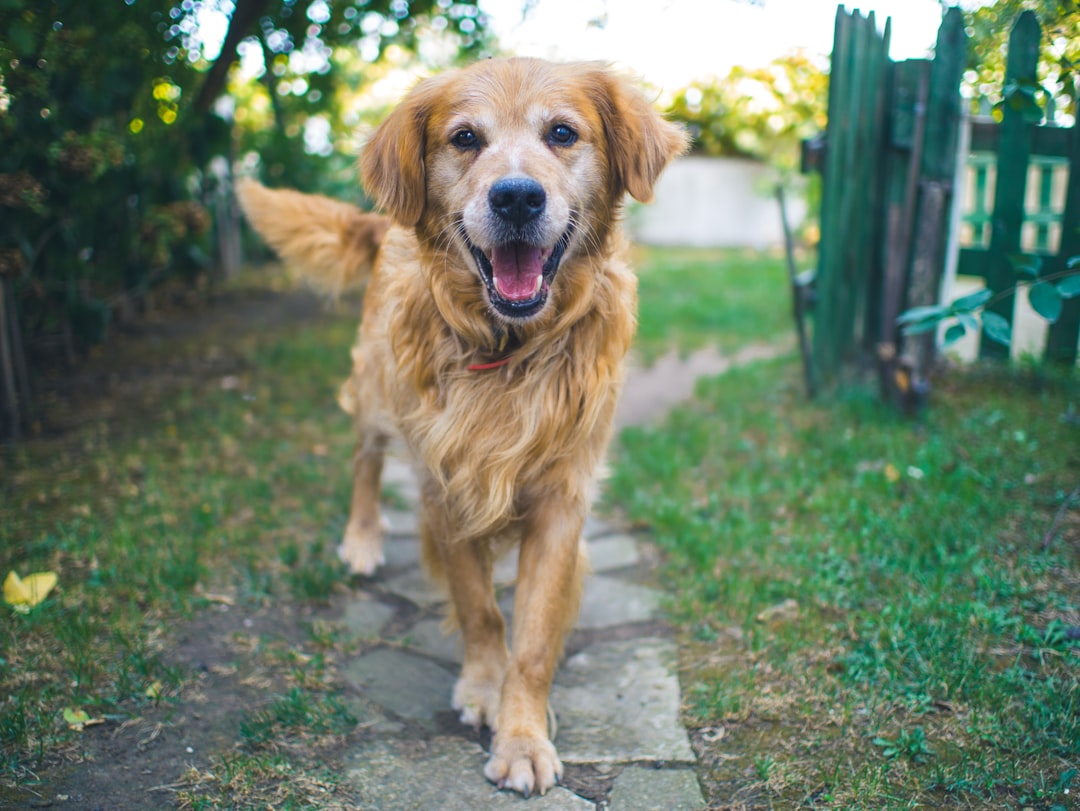 Health and Diet
Health and Diet
Senior dogs face a unique set of health challenges, including obesity, sarcopenia (loss of muscle mass), and a general tendency towards a more sedentary lifestyle [4]. These issues require caregivers to pay special attention to their dog’s diet and exercise routines. Monitoring a senior dog’s weight and adjusting their diet based on their activity level is essential for maintaining optimal health. Senior dogs often require fewer calories, so it’s important to limit treats and table scraps to prevent unnecessary weight gain and joint strain. Transitioning to a diet formulated for older pets is a critical step in managing these changes, as such diets are designed to support their nutritional needs while considering their slower metabolism. Joint health becomes increasingly important for senior dogs, and supplements like glucosamine and chondroitin can support mobility and reduce inflammation. Kidney disease and liver disease are common in older pets, and specialized diets can help manage these conditions. Regular vaccinations remain an important part of preventive care for senior dogs. Working closely with a veterinarian is crucial to monitor your pet’s health and make dietary or treatment adjustments as needed, as health issues or dietary changes can significantly affect a senior dog’s quality of life. Monitoring food intake and adjusting portions to avoid weight gain are essential for maintaining health. Proper weight management plays a crucial role in preventing disease and enhancing the longevity of senior dogs.
Exercise and Mental Stimulation
Maintaining an appropriate level of physical activity is vital for senior dogs, not just for their physical health but also for their mental well-being. Daily walks are especially important for maintaining mobility, joint health, and providing mental stimulation through fresh air and new experiences. Low-impact activities, such as a gentle walk or swimming, can help keep senior dogs physically active while minimizing stress on their joints. If your senior dog begins to walk abnormally, it could be a sign of joint pain or other health issues and should be addressed promptly by a veterinarian. Additionally, long toenails can cause discomfort and contribute to abnormal walking patterns, so regular nail trimming is essential for their comfort and mobility. Equally important is providing mental stimulation to help prevent cognitive decline. This can be achieved through interactive toys, continued training sessions, and social interactions, which can keep their minds engaged and sharp.v
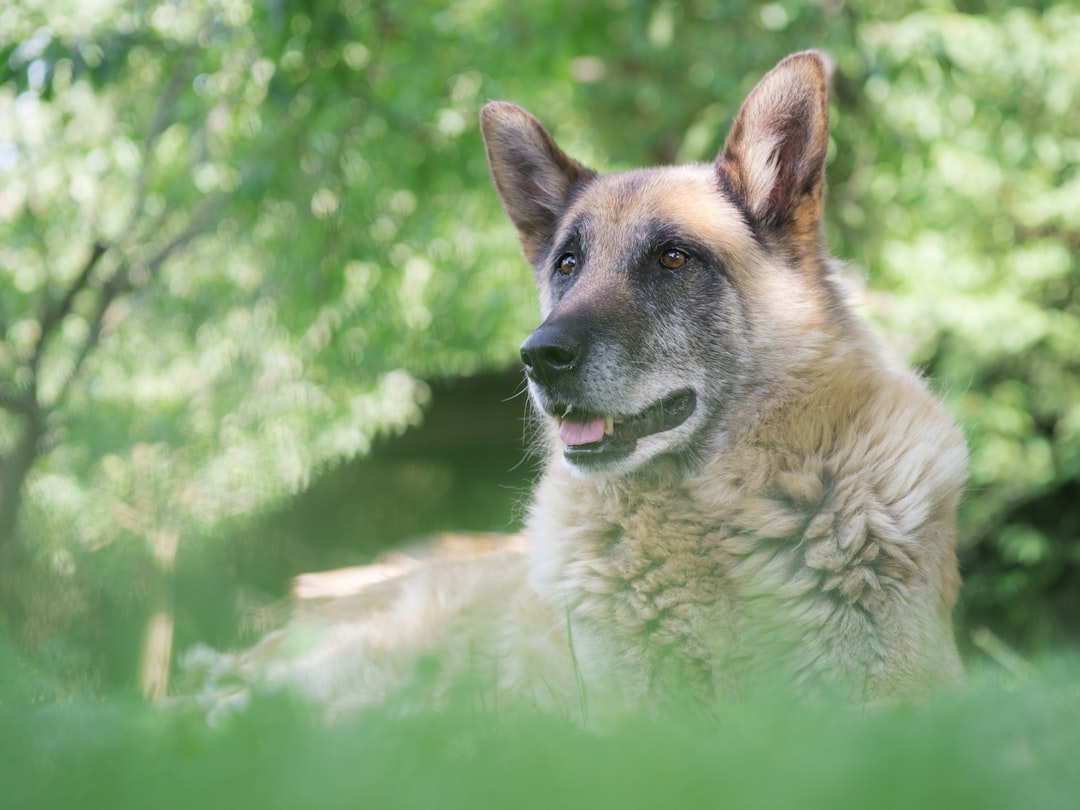 Grooming and Comfort
Grooming and Comfort
Home Adjustments
Creating a senior-friendly home environment can significantly improve the quality of life for aging dogs. Investing in comfortable bedding that supports their joints, raising feeding platforms to make eating and drinking more accessible, and laying down non-slip surfaces to prevent falls are all effective ways to enhance their comfort and safety at home. During cold weather, senior dogs are less able to regulate their body temperature, so consider providing extra bedding or a dog coat to help them stay warm and protected. Additionally, installing ramps or stairs can aid senior dogs in accessing elevated areas, like their favorite couch or bed, without putting undue strain on their aging bodies.
Grooming Needs
Grooming takes on new importance with senior dogs. Regular grooming sessions not only help in maintaining hygiene but also provide an opportunity to check for skin infections, growths, or other issues that may arise with age. Be sure to check for skin tumors during grooming, as early detection is crucial for effective treatment and overall health. Regular grooming also helps ensure that skin tumors do not hide unnoticed under the coat, allowing you to address any concerns promptly with your veterinarian. Since senior dogs may experience changes in their coat and skin health, they may require more frequent grooming to manage these changes and to keep their coat mat-free and clean.

Veterinary Care for Senior Dogs
Regular Check-Ups and Health Monitoring
Navigating the senior years of a dog’s life requires vigilant attention to their health needs, as they are at increased risk for conditions such as cancer, heart disease, and diabetes. Age-related health issues can frequently arise in senior dogs, making regular veterinary check-ups not just recommended but essential. Senior dogs should visit the vet every six months for comprehensive health assessments to ensure early detection and management of these conditions. For example, if your dog appears less interested in walks or food, this subtle change could indicate an underlying health issue. A collaborative approach to care, combining the expertise of veterinarians with the observations of pet owners, is key to addressing health concerns promptly and effectively. Always talk to your vet about any changes or concerns you notice in your senior dog’s health or behavior, as open communication is crucial for timely intervention.
The role of preventative care cannot be overstated in managing the health of senior dogs. Biannual check-ups allow veterinarians to conduct thorough physical examinations, perform necessary blood tests, and recommend any dietary adjustments or treatments that may improve the dog’s quality of life. These visits also offer pet owners a chance to talk to their vet about any concerns they have regarding their dog’s health or behavior, ensuring that every aspect of the senior dog’s well-being is considered and addressed. In this way, regular veterinary care provides a foundation for a proactive approach to managing the health of senior dogs, allowing them to enjoy their golden years with the best possible support. For comprehensive support and guidance in caring for your senior dog, including addressing behavioral changes and ensuring their mental stimulation, explore the specialized training programs at Off Leash K9 Training, Fredericksburg. Visit https://fredericksburgdogtrainers.com/ for more information on how their experienced trainers can enhance the quality of life for your aging companion.

Behavior and Training for Senior Dogs
Addressing Behavioral Changes
As dogs enter their senior years and reach old age, their behavior can undergo noticeable changes, which might include signs of increased anxiety, confusion, or even house soiling. These shifts are not merely signs of aging but could signal underlying health concerns such as canine cognitive dysfunction, a condition akin to dementia in humans. Recognizing these changes early and taking care of your senior dog by adapting routines and providing compassionate support is crucial. Implementing hand signals in training regimes can be particularly effective, providing a clear method of communication as their hearing and sight may start to wane. This adjustment not only helps in maintaining command obedience but also supports the dog’s confidence and security in their environment.
Furthermore, engaging senior dogs in activities that prompt mental stimulation and encourage social interaction is vital for their cognitive health. Activities like puzzle toys, gentle training exercises, or even short social outings can significantly contribute to keeping their minds sharp. Off Leash K9 Training, Fredericksburg specializes in creating tailored training programs that cater to the unique needs of senior dogs. Their approach focuses on positive reinforcement, promoting both mental stimulation and physical health, thereby enhancing the overall well-being of aging dogs. By integrating specialized training routines, senior dogs can enjoy a higher quality of life, maintaining their mental acuity and social skills. For those looking to support their senior dog’s behavioral and mental health, exploring the specialized programs offered by Off Leash K9 Training might be the next step. Visit https://fredericksburgdogtrainers.com/ for more details on how their training can benefit your aging companion.
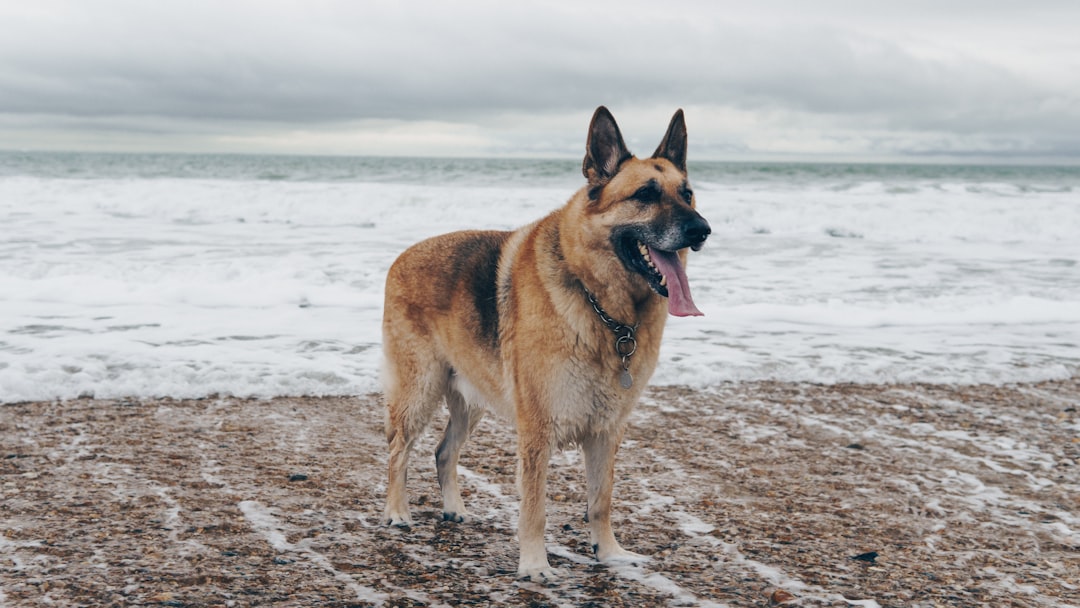
Off Leash K9 Training’s Role in Senior Dog Care
Specialized Training and Support
At Off Leash K9 Training in Fredericksburg, the understanding that senior dogs come with a distinct set of needs and challenges is at the heart of their training approach. The team is dedicated to providing specialized training programs specifically designed for the aging canine population. These programs put a strong emphasis on obedience and mental stimulation, crucial aspects that contribute to a senior dog’s overall well-being. By employing positive reinforcement techniques that are carefully adapted to suit the aging process, Off Leash K9 Training ensures that each senior dog receives the right balance of physical activity and mental engagement. This approach not only aids in maintaining their health but also significantly enhances the quality of life of these venerable pets [Customer Product].
Furthermore, the benefits of enrolling your senior dog in such specialized training extend beyond just the physical and mental. It’s a pathway to reinforcing the emotional bond shared between you and your furry companion. As dogs age, their capacity for learning and interaction changes, but it doesn’t diminish. Off Leash K9 Training, Fredericksburg, leverages this ongoing capacity for connection through their tailored programs, ensuring that your senior dog remains engaged, alert, and content. This thoughtful approach underscores the importance of adaptability in training methodologies for senior pets, acknowledging that an enriched life in their golden years is as much about companionship and love as it is about care and exercise. Explore the possibilities for your aging friend at Fredericksburg Dog Trainersand discover how their specialized programs can enhance not only your dog’s life but also your experience as a pet owner [Customer Product].
Conclusion: Ensuring a Happy and Healthy Future for Your Senior Dog
Ensuring a fulfilling and healthy life for your senior dog encompasses a holistic approach that takes into account their nutritional needs, exercise routines, mental stimulation, and regular veterinary care. As dogs enter their senior years, they may face age-related challenges such as reduced mobility, dietary sensitivities, and cognitive changes. It’s crucial for caregivers to adapt their care strategies to meet these evolving needs, ensuring that senior dogs maintain a high quality of life. Regular monitoring of their health and adjustments in their daily routines can make a significant difference in their comfort and well-being.
For those looking to provide their senior dogs with the best possible care, Off Leash K9 Training, Fredericksburg, offers specialized training programs tailored to the unique requirements of aging dogs. These programs focus not only on maintaining physical health and obedience but also on ensuring that senior dogs receive the mental engagement they need to stay sharp. From gentle, low-impact exercise options to cognitive training exercises designed to keep their minds active, Off Leash K9 Training’s approach addresses the comprehensive needs of senior canines. By partnering with experienced trainers, dog owners can enhance the bond with their senior dogs, ensuring they remain happy, healthy, and well-adjusted during their golden years. Explore the specialized programs available at Off Leash K9 Training, Fredericksburg to discover how you can support your senior dog’s well-being and behavior.