At A Glance
- Breed: German Shepherd
- Location: Fredericksburg, VA
- Main Issue: Dog aggression and lunging at other dogs on walks
- Program: 2-Week Board & Train
- Outcome: A real-world win right away—barked once and disengaged instead of lunging at another dog.
The Challenge
Jackie loves her German Shepherd, but walking him around other dogs was always stressful. He had a long history of being dog-aggressive, and it showed up the moment another dog came into view. Before training, he would lunge at any dog he saw. That kind of reaction can make every walk feel tense, like you are constantly on alert.
If you have ever walked a dog like this, you know the routine. You scan ahead. You change direction. You cross the street. You hope the next corner is clear. And even when you do everything right, a surprise dog can turn a normal outing into a tough moment fast.
Jackie wanted a calmer, more controlled dog she could confidently walk in real life—not just in a quiet setting. That’s why she enrolled him in a 2-week Board & Train with Jake.
The Diagnosis & Solution
When Jackie’s dog arrived for training, we focused on what matters most for dog aggression on walks: structure, clear communication, and repeated practice around realistic distractions. The goal is not to avoid every dog forever. The goal is to teach the dog how to stay composed when dogs show up.
Here is the plan we used:
Decompression and Structure (Days 1–2)
We started by setting clear routines and calm expectations. Many dogs make faster progress when they understand the rules and feel consistent structure every day.
Walking Structure and Leash Skills
A lot of reactive dogs escalate when they build tension and forward pressure on leash. We worked on structured walking patterns designed to improve control and reduce the “launch point” that leads to lunging.
Obedience Foundations for Real-Life Control
We reinforced core obedience so the dog had clear behaviors to fall back on when a trigger appeared. Instead of reacting first, the dog learns to look to the handler and follow direction.
Distraction Proofing Around Other Dogs
Once the foundation was solid, we introduced controlled practice around other dogs. The goal was calm decision-making and disengagement—see a dog, stay composed, and move on.
The Results
This is the moment Jackie noticed the difference.
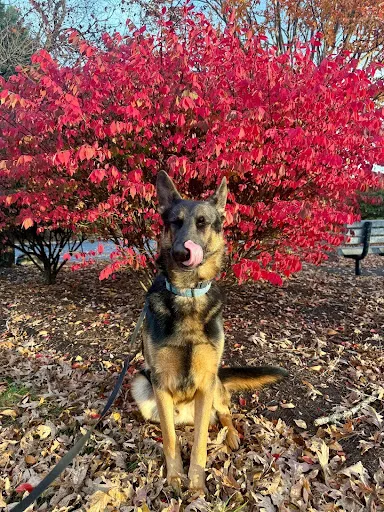
After picking her dog up from training, they went on a walk and encountered another dog—exactly the situation that used to trigger an immediate lunge. This time, he barked once and let it go.
That is a big win. For a dog with a long history of lunging at every dog he sees, being able to disengage quickly is a clear sign of real progress: better control, faster recovery, and a calmer response where it matters most—on a normal walk.
The Owner’s Reaction
“My German Shepherd has always been dog-aggressive, so I enrolled him in a two-week board-and-train program with Jake. Jake was nothing short of a miracle worker. I picked him up yesterday, and when we encountered another dog on our walk today, he barked just once and let it go. Before the training, he would lunge at any dog he saw.”
— Jackie Parent
Ready to Transform Your Dog?
If your dog reacts hard around other dogs, you don’t have to keep dreading every walk. With the right plan, structure, and proofing, your dog can learn calmer behavior and better control in real-world situations.